
Identifying Lead Paint Before Work Begins
Lead paint inspection in Deerwood for older homes and buildings with painted surfaces requiring evaluation before renovation or sale
Many properties in Deerwood were constructed during decades when lead-based paint was a standard building material, particularly in homes built before 1978 where painted trim, window casings, and door frames were treated as a matter of routine rather than exception. Elite Environmental, LLC performs lead paint inspections on those properties, evaluating painted surfaces throughout a structure to identify where lead-based paint may be present. For owners of older single-family homes, rental properties, or commercial buildings preparing for renovation, this inspection establishes exactly what they are working with before any surface disturbance takes place.
The inspection process covers both interior and exterior painted surfaces, including walls, doors, windows, and trim—areas where lead paint was applied most consistently in residential construction of that era. Each surface is assessed individually, and findings are compiled into a detailed inspection report that documents which surfaces contain lead-based paint, where those surfaces are located within the structure, and what property owners need to understand about potential risks before proceeding with repairs or improvements. This documentation supports renovation safety planning by giving contractors and owners a clear picture of what materials they will encounter during work.
Schedule a lead paint inspection with Elite Environmental, LLC to document the condition of painted surfaces before your next renovation or property project.
How a Lead Paint Inspection Documents Surface Conditions
During a lead paint inspection, each painted surface is examined methodically rather than spot-checked. Inspectors evaluate not just whether paint is present but where it is located in the structure, what condition it is in, and whether it falls within categories that require attention before renovation proceeds. In pre-1978 construction—which represents a significant portion of the residential housing stock in and around Deerwood—painted surfaces on window troughs, door jambs, and exterior siding are among the most common locations where lead-based paint is identified, because those areas received multiple paint layers over decades of maintenance.
Once the inspection is complete, you receive a written report that identifies each surface evaluated, the findings for that surface, and the context needed to make informed decisions about next steps. The report does not leave findings open to interpretation—it specifies which painted components were tested and what the results indicate, giving you documentation that can be shared with contractors, property managers, or real estate professionals as needed.
The scope of a lead paint inspection covers surface identification and documentation. If dust sampling or soil sampling is needed as part of a broader evaluation, those services involve separate collection and laboratory analysis processes that go beyond what an inspection alone addresses. Understanding what each service covers helps property owners select the right evaluation for their specific situation.
Common Questions About This Service
Property owners and landlords often have specific questions about how lead paint inspections are carried out and what the results mean for their next steps, particularly in older housing where multiple paint layers are common.
What surfaces are evaluated during a lead paint inspection?
Inspectors assess walls, doors, windows, trim, and other painted components on both the interior and exterior of the structure. Each surface is documented individually so the report reflects the full scope of what was evaluated.
How does the condition of painted surfaces affect the inspection process?
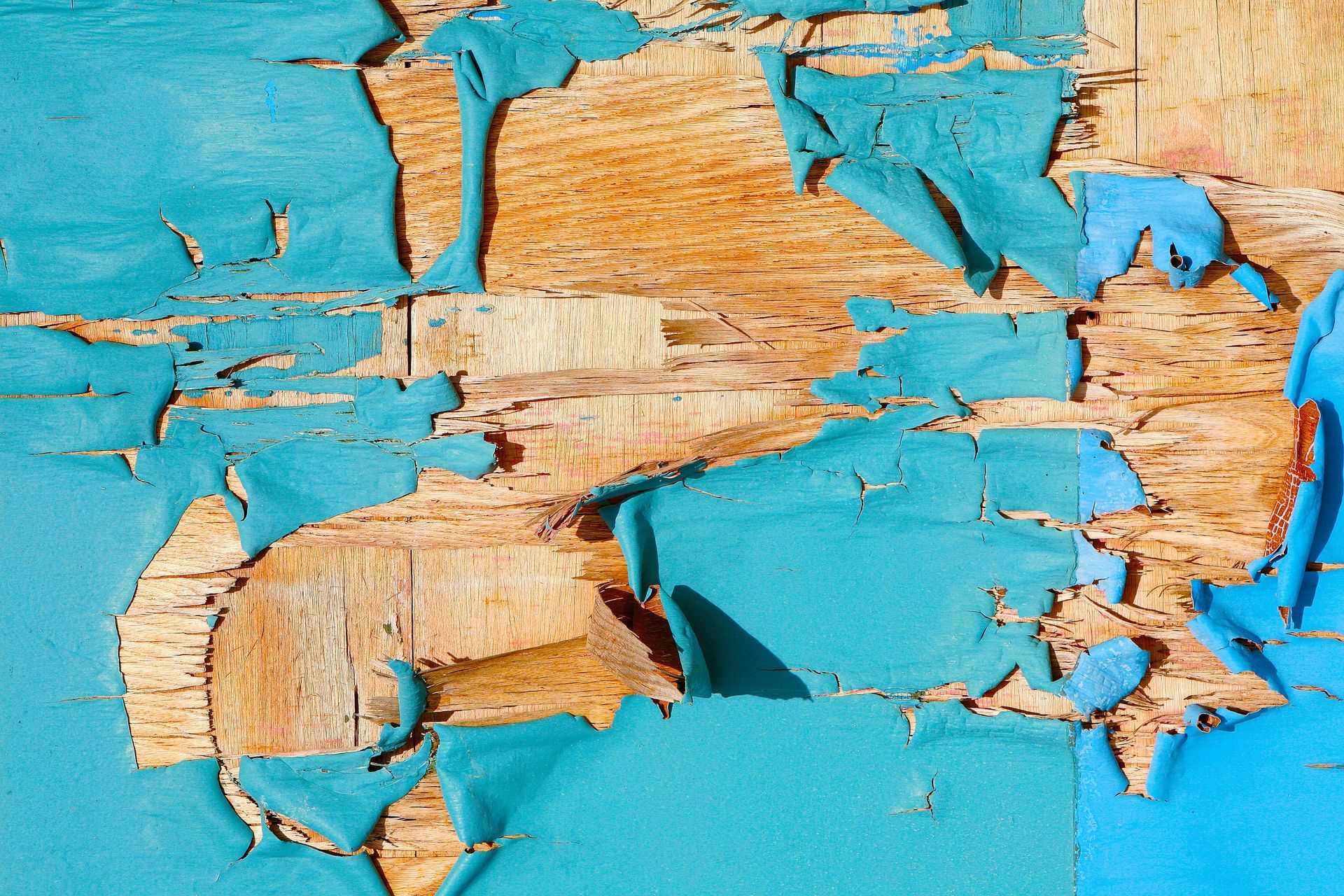
Deteriorating or damaged paint receives closer attention during an inspection because disturbed paint in older structures presents a higher likelihood of lead exposure during renovation work. The condition of each surface is noted in the findings.
What should you do before the inspector arrives?
Making painted surfaces accessible—particularly in areas planned for renovation, such as kitchens, bathrooms, and older window assemblies—allows the inspection to proceed without delays. Clearing furniture or stored items away from walls and trim helps the inspector evaluate those surfaces thoroughly.
Why is a lead paint inspection recommended before renovation work on older Deerwood properties?
Homes built before 1978 may contain lead-based paint on any painted surface, and disturbing those surfaces without prior identification can create hazardous conditions. An inspection completed before renovation gives contractors the information they need to handle affected materials appropriately.
What does the inspection report include after the work is finished?
The report documents each surface evaluated, the test findings for that surface, and the location of any lead-based paint identified. This written record supports renovation planning, property disclosure requirements, and communication with contractors handling the work.
Elite Environmental, LLC provides inspection reports that give property owners a clear, documented record of surface conditions—a practical starting point before any renovation, maintenance project, or property transaction involving older painted structures. Contact Elite Environmental, LLC to arrange a lead paint inspection for your property.