
Dust Sampling That Reveals Hidden Lead Contamination
Lead dust testing in Deerwood for properties after renovation, lead hazard control work, or where dust accumulation in high-risk areas is a concern
Lead dust is not visible to the naked eye, and the areas where it concentrates—windowsills, window troughs, and floors near painted surfaces—are precisely the areas that see the most contact in a residential or commercial property. Elite Environmental, LLC collects dust samples from these targeted locations and submits them to a laboratory for analysis, producing documented results that tell property owners what is actually present in the dust rather than what might be assumed from visual inspection alone. This service is relevant after renovation work on older buildings, after lead hazard control activities, or any time a property owner needs to verify the condition of surfaces before occupancy or continued use.
Sample collection focuses on the locations where lead dust is most likely to settle and accumulate: windowsills and window troughs, where friction from opening and closing painted sashes generates fine particles over time, and floor areas adjacent to those surfaces, where dust redistributes through normal foot traffic and air movement. Each sample is collected from a defined surface area using wipe sampling techniques, then submitted to an appropriate laboratory for lead analysis. The resulting report documents the findings for each sampled location and provides the data needed to determine whether follow-up action is warranted.
Arrange a dust sample collection appointment with Elite Environmental, LLC to evaluate specific areas of concern in your property.
What Dust Testing Actually Measures and Why It Matters
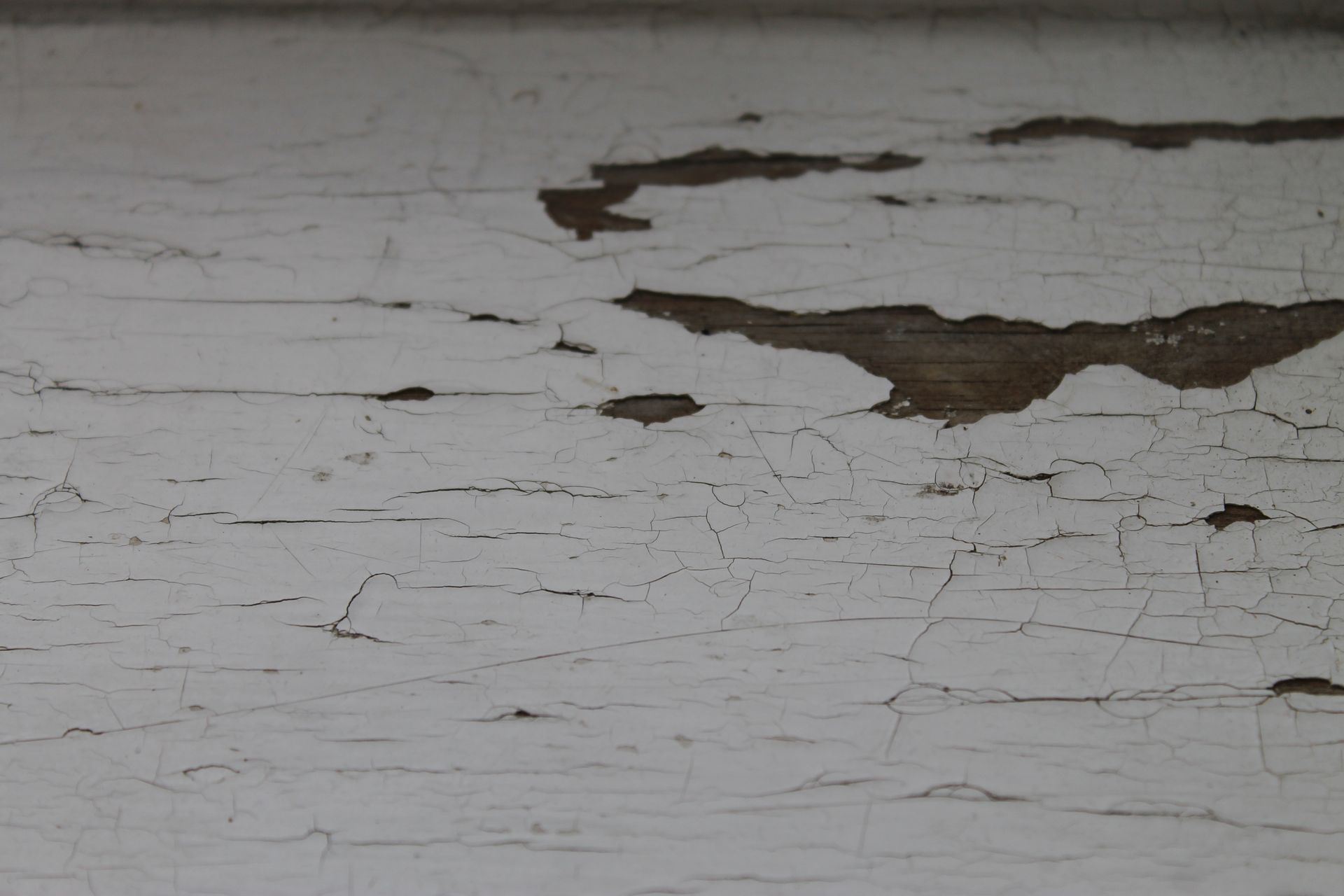
Wipe sampling for lead dust measures the concentration of lead present on a surface within a defined collection area, expressed as micrograms per square foot. This unit of measurement is significant because regulatory standards for acceptable lead dust levels are written in those same terms, meaning laboratory results can be directly compared against established reference values. In properties with pre-1978 painted windows—which are common in the older residential construction found in and around Deerwood—window troughs are a particularly reliable indicator of ongoing lead dust generation, because paint deterioration in those channels occurs gradually and deposits fine material that accumulates between cleanings.
After laboratory analysis is complete, you receive a report showing the lead concentration measured at each sampled location. Where results indicate elevated levels, the documentation supports decisions about what remediation or hazard control steps are appropriate. Where results fall within acceptable ranges after renovation or cleanup work, the documentation serves as a verification record—confirming that the work performed achieved its intended outcome in measurable terms rather than presumed ones.
Dust testing is a distinct process from surface paint testing. A dust sample measures what has already settled on a surface, while a paint test evaluates whether lead is present in the paint layer itself. Properties being prepared for occupancy after lead hazard control work may benefit from both types of testing, depending on the scope of work that was performed and the documentation requirements that apply.
What Property Owners Ask About the Work
Questions about lead dust testing often center on where samples are taken, what the laboratory results actually show, and how the findings connect to decisions about the property—particularly in older homes where window and door hardware has been in place for decades.
What areas are sampled during lead dust testing?
Sampling focuses on windowsills, window troughs, floors, and other locations where lead dust is known to accumulate based on the property's painted surfaces and use patterns. The specific areas sampled are determined during the assessment and documented in the report.
How are dust samples collected during the testing process?
Wipe sampling uses a moistened collection medium dragged across a defined surface area, capturing particulate matter for laboratory analysis. The collection area is measured precisely so results can be expressed as a concentration per square foot and compared against established reference values.
When is lead dust testing appropriate after renovation work?
Testing after renovation or lead hazard control work helps verify that cleanup procedures were effective and that dust levels in the work area meet acceptable standards before the space is returned to regular use. This is particularly relevant in older properties in Deerwood where painted surfaces disturbed during renovation may have contained lead-based paint.
Why do windowsills and window troughs require specific attention during sampling?
Window components in older buildings generate lead dust through friction each time the sash is operated, and troughs act as collection points for that material over time. These surfaces consistently show higher dust concentrations than surrounding floor areas in buildings with deteriorating lead-based paint.
What does the laboratory report show once analysis is complete?
The report documents the lead concentration measured at each sampled location, expressed in micrograms per square foot, alongside the reference values used for comparison. You receive findings for every location sampled, not a summary average.
Elite Environmental, LLC submits all dust samples to an appropriate laboratory and provides written results that give property owners factual documentation of conditions in sampled areas. Contact Elite Environmental, LLC to discuss the sampling locations most relevant to your property's current situation.